Hacienda La Candelaria


CandelariaCandelariaCandelariaCandelariaCandelariaCandelariaCandelariaCandelariaCandelariaCandelariaCandelariaCandelariaCandelariaCandelariaCandelariaCandelariaCandelariaCandelaria


The history of La Candelaria goes back to the 17th. Century.
Huamampampa, its original name, was part of a “repartimiento” granted by the king and queen of Spain to the counts of Anzuategui.
The first owners of this Hacienda were the Jesuits. They built the chapel and they made apple cider (some of the trees can still be seen in the orchard). They also built a small artificial damn in the nearby area where they grinded and separated minerals from impurities. This went on until 1676, when they were expelled from the Spanish colonies.
Once this happened the Jesuits sold the Hacienda to the Gallo brothers from Potosí. Later on it was discovered that they were making fake money so Huamampampa was taken from them. A third brother who was a lawyer managed to disappear all the evidence of this crime and to recover the property that was immediately sold to Mrs. Arce Lacase, also from Potosi. Her husband and stepsons, who drank most of the time, got a lone from the National bank in 1873 and in a year they had lost Huamampampa.
Huamampampa was then put in auction and recovered by Candelaria Argandoña de Rodriguez, sister of the prince of La Glorieta and sister in law of Aniceto Arce, one of Bolivia’s presidents.
One of the first things doña Candelaria did was to change the name from Huamampampa to La Candelaria, this because of her great devotion to the Virgin of Candelaria who, since then, has been the patron of the area
Since that time it’s been in the family for 6 generations
After land reform in 1953, it has been very difficult to maintain the Hacienda, mostly because most of the laborable land was taken and given to the peasants
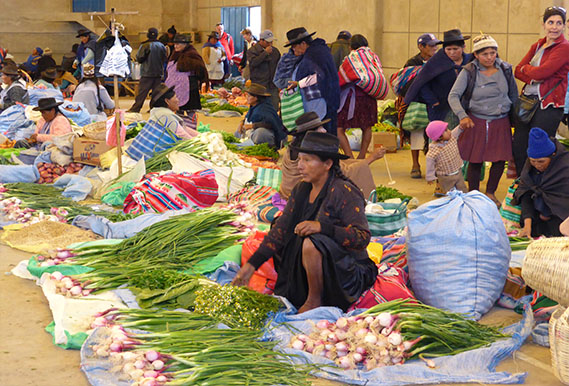
Since 1970 great efforts have been made to maintain its style and at the same time adapt it as a tourist center because of its strategic location that allows the combination of programs with the indigenous Tarabuco Sunday market but mostly taking into account the ethnical, cultural and natural wealth of the region.

You are visitor number:46326